Refill, Reuse, and Save: Smarter Bathroom Routines

Today we explore how switching to refillable bathroom products delivers meaningful cost and waste savings for households and small businesses. By replacing single-use bottles with durable dispensers and consolidation refills, you reduce plastic, slash markup, and simplify storage, all while keeping hygiene and performance strong. Expect practical numbers, supply tips, and real-life stories that make the transition clear, affordable, and even fun. Stick around to learn how a few simple changes can compound into impressive savings across the year.

The Money Behind the Pump: Real Savings Unpacked
Many shoppers overpay for pretty packaging, oversized pumps, and frequent replacements, while refill formats quietly compress costs. Moving to concentrates or bulk refills cuts shipping of water weight, reduces retail markups, and extends time between purchases. The result is a calmer budget and fewer emergency runs. We will examine price per ounce, container amortization, and subscription timing so you see exactly where the money goes, where it leaks, and how a refill routine turns that trickle into steady, predictable savings.
Compare price per ounce for a branded 12-ounce bottle versus a one-liter refill pouch or concentrated tablet. The difference is often dramatic because you stop repeatedly paying for rigid containers and decorative labels. Multiply by monthly consumption and notice how each avoided bottle compounds. When you add reduced delivery frequency, bulk discounts, and fewer impulse purchases, your annual cost curve bends downward in a way that feels tangible every quarter.
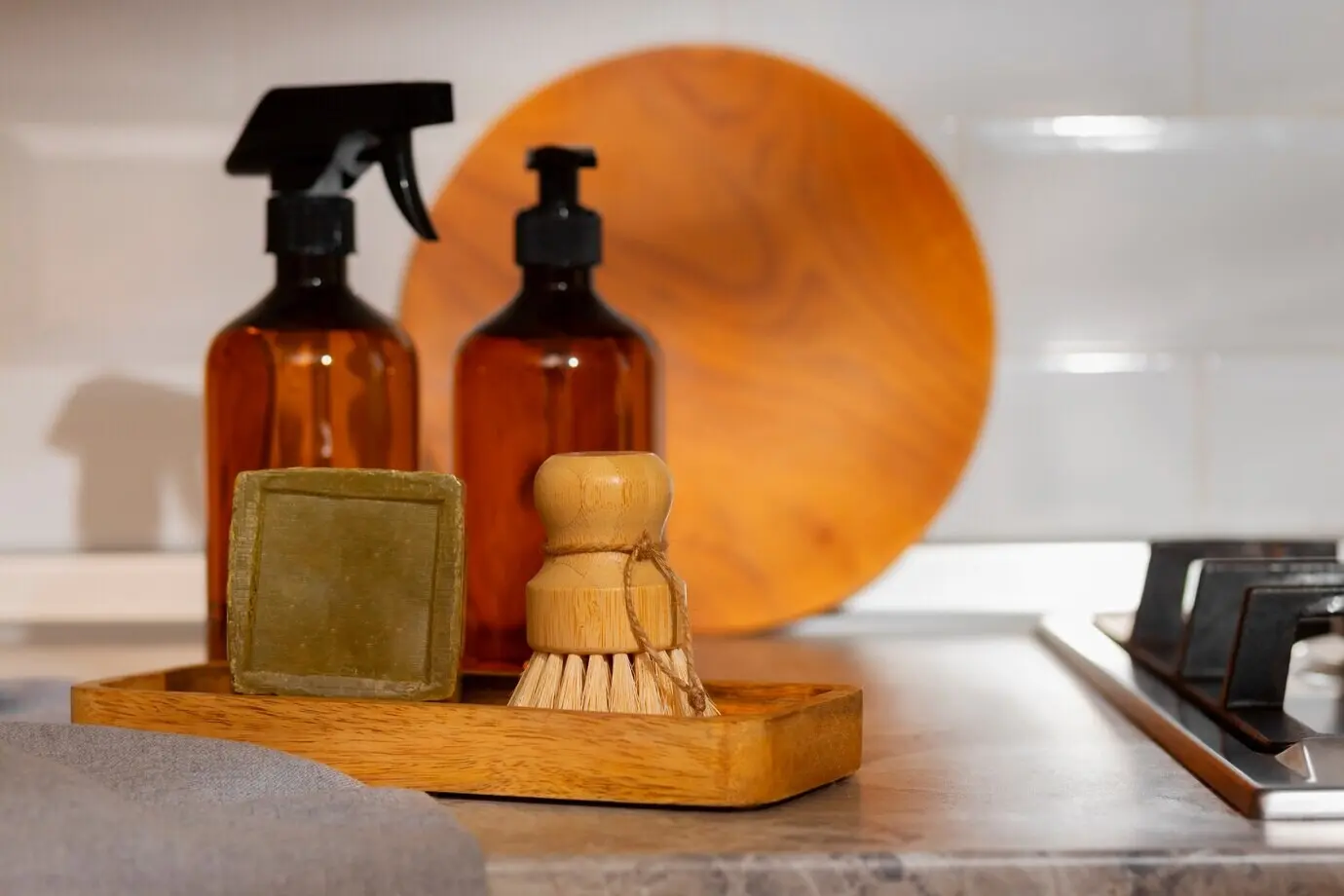
A sturdy glass or stainless-steel dispenser may feel like an upfront splurge, yet the payback period can be surprisingly short. Track the avoided purchases of flimsy single-use packaging and consider how durability eliminates cracks, leaks, and sticky pumps. Over months, a reliable container streamlines refills, protects concentrated formulas, and improves dosing, which also minimizes waste during use. The investment becomes a quiet household asset, delivering incremental savings every time you press the pump.
Single-use packaging often hides subtle size reductions or reformulations that inflate the true price. Refills make these tactics harder, because quantity and concentration are clearer and easier to compare across brands. By standardizing on a refill size and tracking cost per milliliter, you insulate your budget from stealthy changes. Fewer trips to the aisle also mean fewer promotional distractions, helping you avoid glossy markups and stick with consistent, verified value.

Plastic avoided per household

Count how many bottles your space consumes in a month, then translate that into annual plastic avoided when you refill instead. Even conservative estimates show meaningful reductions, especially for multi-person households. Pumps, caps, and wraps often evade recycling, but refills dramatically curb those pieces. Photograph your bathroom shelf before and after three months to visualize progress. That visible difference can motivate continued adoption and inspire conversations with friends who notice the tidier, lighter setup.

Refill stations, subscriptions, and mail-back loops

Local refill stations offer the lowest packaging overhead, while subscriptions ensure timely replenishment without bulky stocks. Some brands support mail-back pouches for specialized recycling or reuse programs, capturing materials standard bins miss. Combine these approaches: station for frequent items, subscription for essentials, mail-back for niche products. This blended model reduces friction, provides redundancy during supply hiccups, and keeps your bins lean, all while maintaining product quality and dependable availability when the bottle runs low.

Refill Logistics: Building a Frictionless Home System

Savings stick when your process is easy. A refill station at home, labeled containers, a small funnel, and a predictable reorder cadence remove hassle. Place bulk pouches in a cool, reachable spot and schedule reminders before levels dip too low. Keep a spare dispenser for guests or travel to prevent emergency purchases. With clear labeling and simple tools, refilling takes minutes, avoids spills, and turns into a smooth ritual everyone in the household can handle confidently.

Performance, Ingredients, and Health Considerations
Refillable does not mean watered down. Many refills are concentrated and remove unnecessary additives linked with irritation or strong residual scents. Look for clear surfactant systems, dermatologically tested formulas, and transparent ingredient lists. Patch test when changing products and verify compatibility with your dispensers. By focusing on concentration, pH balance, and evidence-based claims rather than flashy packaging, you get dependable cleaning, healthier skin experiences, and fewer bottles in your recycling bin. Results improve while clutter and costs fall together.

Concentrates that actually clean

Evaluate claims by dilution ratios and lab data, not marketing adjectives. A well-formulated concentrate should create stable foam, rinse clean, and leave no heavy residue on skin or tiles. Check whether the brand publishes third-party testing or certifications. High-quality surfactants can be mild yet effective, offering excellent performance at lower doses, which stretches each refill further. Good chemistry paired with clear instructions turns smaller packages into bigger results, both for cleanliness and your wallet.

Sensitive skin and patch testing

If your household includes sensitive or pediatric skin, conduct a patch test on a small area and wait forty-eight hours. Favor fragrance-free or hypoallergenic options and verify preservative systems suitable for refill timelines. Keep dispensers clean between refills to prevent microbial growth, and avoid over-concentration that might cause irritation. A careful approach preserves comfort while still capturing the big cost and waste wins that come from ditching frequent single-use bottles and unpredictable store-bought formulas.

Crunching the Numbers: Mini Case Studies You Can Copy

Seeing the math helps changes stick. We translate real usage into annual costs and plastic avoided for common scenarios, revealing where savings hide. From families to dorms and small hospitality spaces, the numbers show that a simple switch amplifies across many daily routines. Use these examples as templates, adjust for your consumption, and track results for a month. Share your data to inspire others, compare brands, and keep refining your setup for even better outcomes.

Family of four, city apartment

Switching hand soap, body wash, and shampoo to refills reduces monthly spending by combining bulk pouches and subscription timing. Over twelve months, cost per ounce drops markedly, while plastic use falls by dozens of bottles. Cabinet space frees up, and there are fewer late-night restocks. The family logs refills on a shared note, catching low levels early and preventing last-minute splurges. The shift becomes routine, stabilizing both budget and household rhythm in a measurable way.

College dorm and roommate cleanup

Two roommates coordinate a shared refill kit: concentrated hand soap tablets, a single multipurpose bathroom cleaner, and travel-friendly shampoo pouches. They split costs evenly and store extras in a labeled caddy. The arrangement avoids duplicate purchases, simplifies move-out waste, and survives exam-week chaos. When friends borrow supplies, they ask for a small refill instead of a disposable bottle. That social loop builds accountability, stretches every dollar, and keeps tiny bathrooms functional, tidy, and surprisingly low-waste.

Boutique hotel pilot on one floor

A small hotel converts one floor to wall-mounted dispensers with bulk refills for hand soap and body wash. Housekeeping time drops, trash volume shrinks, and amenity costs decline, even after investing in tamper-resistant hardware. Guests appreciate clear labeling and elegant containers, leaving positive comments about reduced plastic. Management measures results for a quarter, then scales the program floor by floor, using data to negotiate better rates with suppliers and align brand storytelling with thoughtful, practical sustainability.

Make It Stick: Habits, Community, and Momentum

Gamify the refill ritual

Turn refilling into a quick win by tracking streaks and setting mini goals, like maintaining a fully stocked dispenser for sixty days. Reward yourself with something experiential, not another object. If you share a bathroom, rotate refill duties and celebrate on a group chat when everyone hits milestones. This playful accountability keeps momentum high and ensures savings and waste reductions persist long after the initial excitement fades, transforming a chore into a satisfying, shared habit.

Shareable calendars and gentle nudges

Turn refilling into a quick win by tracking streaks and setting mini goals, like maintaining a fully stocked dispenser for sixty days. Reward yourself with something experiential, not another object. If you share a bathroom, rotate refill duties and celebrate on a group chat when everyone hits milestones. This playful accountability keeps momentum high and ensures savings and waste reductions persist long after the initial excitement fades, transforming a chore into a satisfying, shared habit.

Ask your local store to add a station

Turn refilling into a quick win by tracking streaks and setting mini goals, like maintaining a fully stocked dispenser for sixty days. Reward yourself with something experiential, not another object. If you share a bathroom, rotate refill duties and celebrate on a group chat when everyone hits milestones. This playful accountability keeps momentum high and ensures savings and waste reductions persist long after the initial excitement fades, transforming a chore into a satisfying, shared habit.

Viferolekefo
Privacy Overview

This website uses cookies so that we can provide you with the best user experience possible. Cookie information is stored in your browser and performs functions such as recognising you when you return to our website and helping our team to understand which sections of the website you find most interesting and useful.