Kitchen staples
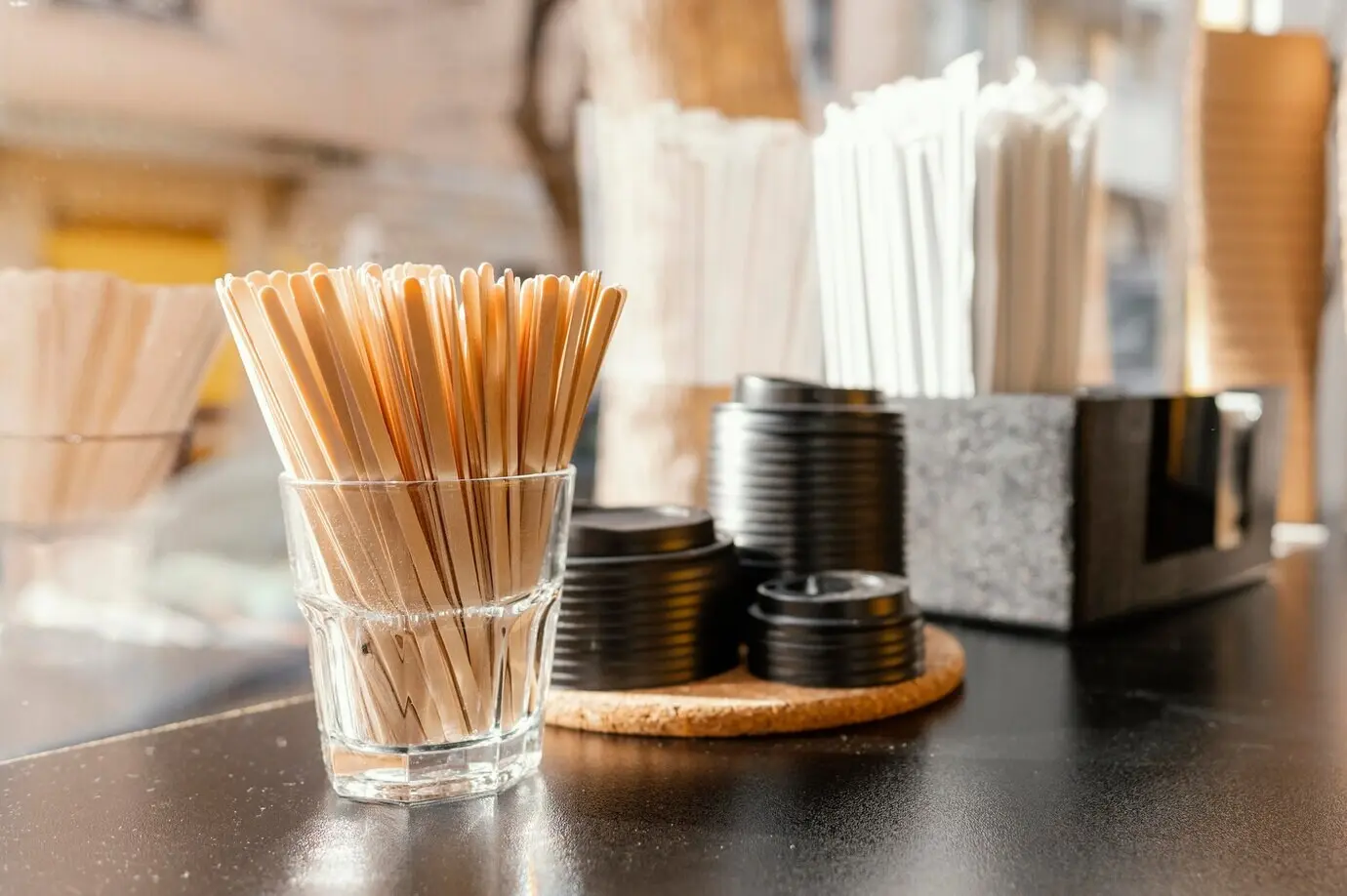
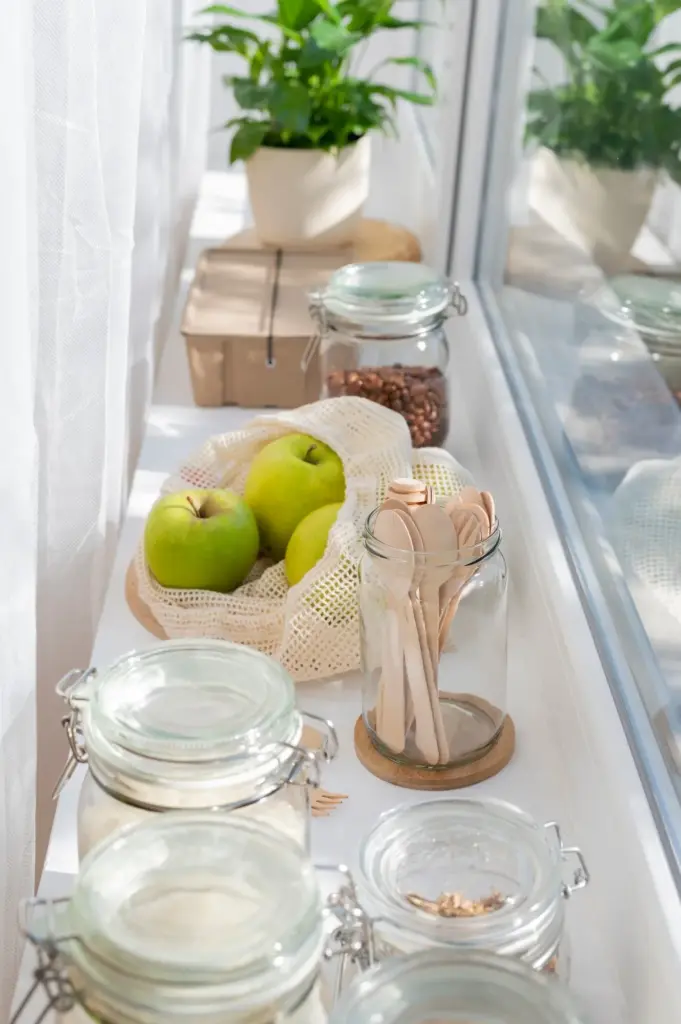
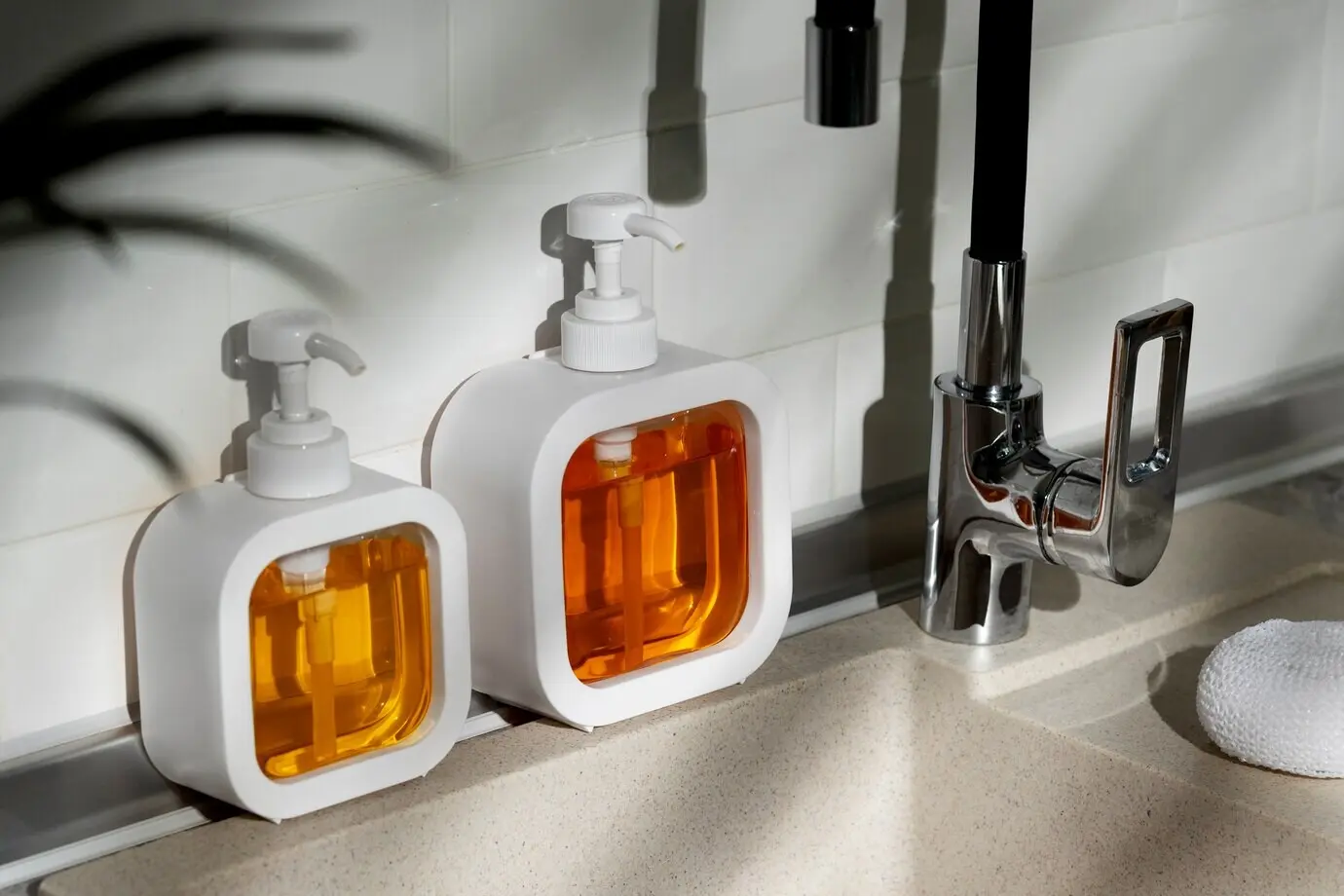
Begin with dish soap and counter spray, because they empty fast and reveal savings quickly. Add bulk olive oil, vinegar, and coffee beans using airtight containers and scoops. A weekly refill moment after groceries prevents overflow, blends routines, and slows plastic entering your home.
Bathroom basics
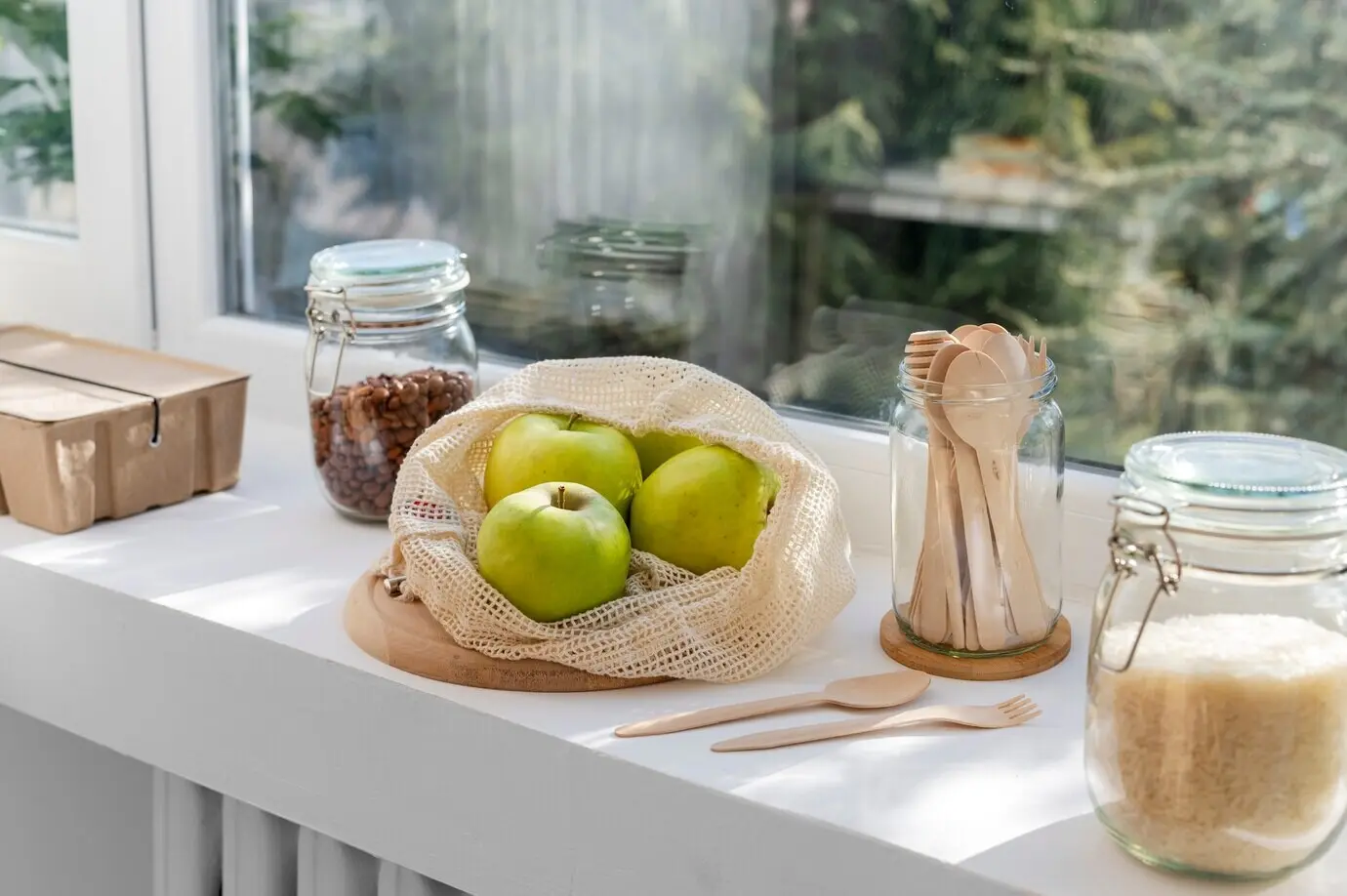
Switch shampoo, conditioner, and body wash to concentrated formulas with matching pumps, noting water hardness and hair type. Reusable amber bottles protect sensitive ingredients from light. Keep a small funnel in a drawer so refilling happens in seconds, not as a mess during a busy morning.

Laundry and cleaning flow
Concentrated detergent sheets or powders reduce space needs and shipping emissions. Refillable stain spray and oxygen booster cover most chores. Store scoops inside canisters, record dosage for load sizes, and teach every household member the routine, making clean clothes predictable rather than a desperate scramble.

Decode ingredient lists
Short lists are not automatically safer, and botanical names can mask allergens. Prioritize clear surfactant families, preservative disclosure, and independent safety data. If a brand shares dilution ranges and pH, that’s a good sign. Ask customer support tough questions and record answers for future comparisons.

Packaging truths and trade-offs
Glass refills travel well by rail but add weight; aluminum shines for durability and high recycling value; sturdy pouches cut freight emissions yet demand specialized recycling. Decide case by case, considering distance, container reuse potential, and whether local drop-offs actually operate consistently year-round.
Local refillery and delivery options
Neighborhood shops often host bulk taps for soap, detergent, and cleaners, offering bottle swaps and trustworthy advice. Delivery services bring concentrates in returnable packaging. Map nearby choices, subscribe to restock reminders, and coordinate with friends to split orders, lowering costs and emissions while supporting community resilience.