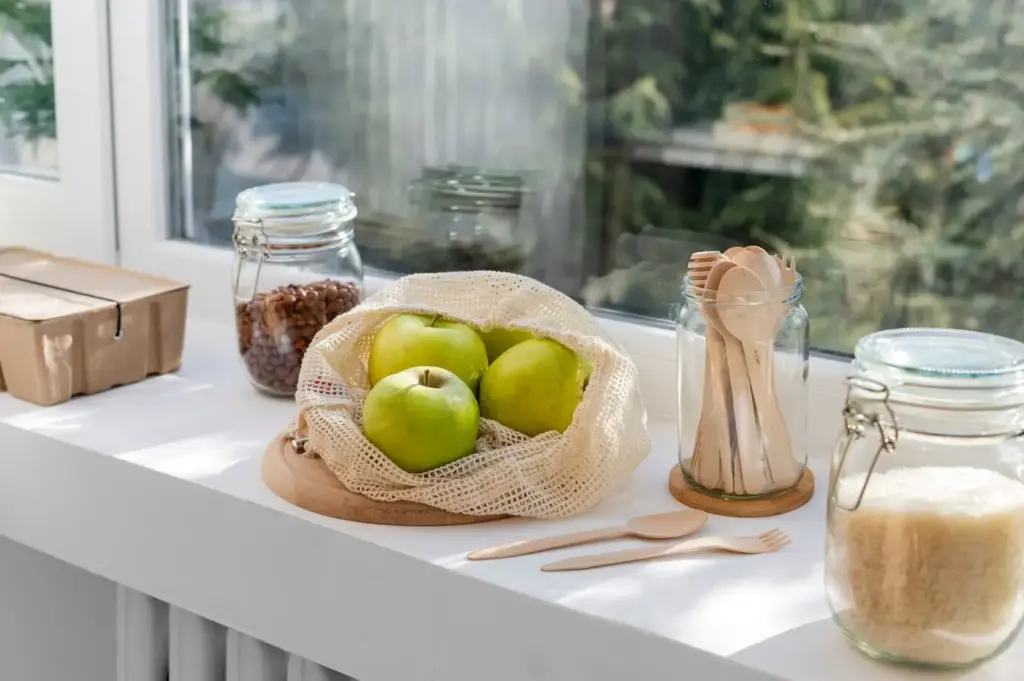
Reimagining Packaging for Reusable Household Containers

From pantry jars to lunchboxes and cleaning refills, we explore eco-friendly packaging innovations for reusable household containers, highlighting smart materials, return systems, and delightful design touches that reduce waste while elevating everyday convenience. Expect practical tips, honest trade‑offs, inspiring examples, and invitations to participate and shape better habits together.

Materials That Respect the Planet

Sustainable choices begin with what touches your hands and your food. We look at coatings, inks, labels, and wraps engineered for durability, safe reuse, and low impact, balancing recycled content with performance. Thoughtful material science brings clarity to questions about safety, longevity, recyclability, compostability, and the full lifecycle of every container and accessory.

Compostable Coatings and Water-Based Adhesives

Labels and protective layers often determine whether a container can truly live a long, low-waste life. Water-based adhesives ease cleaning, reduce chemical exposure, and avoid microplastic residue. Plant-derived coatings resist moisture and oil yet release during washing. When parts finally retire, compostable backings and responsibly sourced fibers minimize legacy waste and support circular systems that households can realistically maintain.

Recycled Content Without Compromise

Integrating post-consumer materials into sleeves, dividers, and transit packaging can reduce demand for virgin resources while maintaining strength. Engineers test impact resistance, temperature tolerance, and odor neutrality to protect taste and safety. The best blends match durability with traceability, letting you know exactly where the material originated and how to recycle or repurpose components after many satisfying reuse cycles.

Bio-Based Films That Actually Perform

Bio-based does not have to mean fragile. Modern films derived from cellulose, algae, or agricultural byproducts can protect lids and gaskets during transport without persisting as pollution. Lab trials benchmark puncture resistance, transparency, and seal integrity. When paired with compatible washing temperatures and mild detergents, these films safeguard contents, simplify turnaround, and ultimately disappear responsibly when their useful life ends.

Designing for Refill and Return
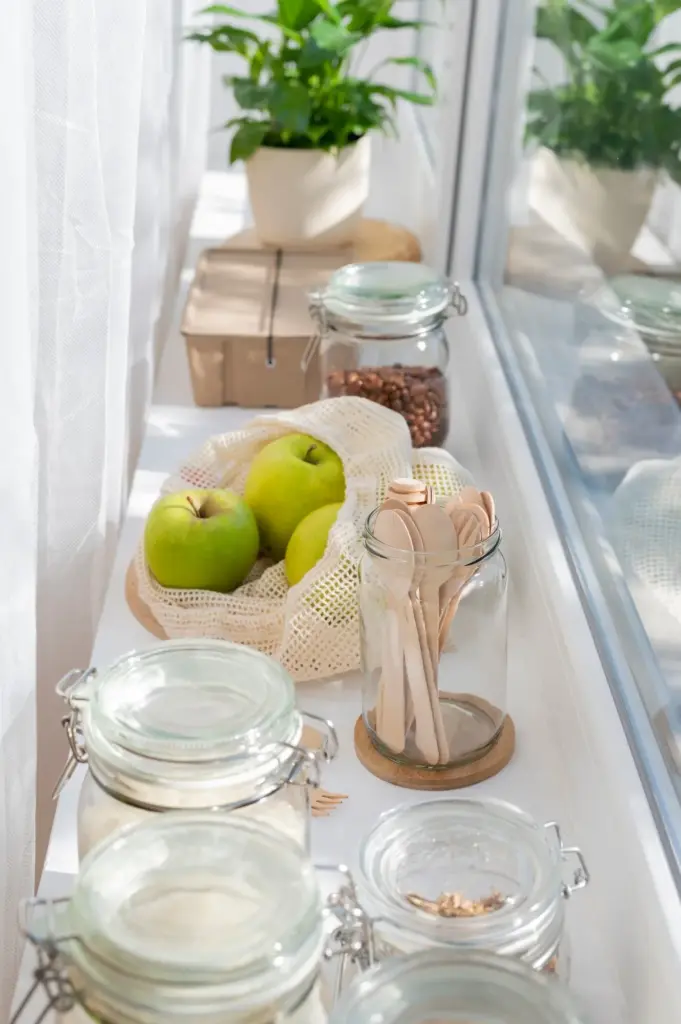
Great packaging supports refilling as a natural habit. Standardized necks, stackable shapes, and intuitive closures reduce friction at home and in refill stations. Clear component separation eases cleaning, while durable markers withstand repeated cycles. By aligning geometry, grip, and labeling with real-world motion, containers glide through daily tasks, making reuse a practical pleasure rather than a chore.

Standardized Sizes Simplify Everything

When jar mouths, caps, and pump threads follow familiar standards, spare parts are easy to find and stations can serve many brands. Uniform footprints enable tidy stacking in cupboards and delivery crates. Standardization also supports bulk purchasing, reduces tool changes in production, and turns replacement into a quick swap rather than a frustrating, wasteful hunt for exact matches.

Smart Labels That Survive Many Washes

High-contrast, scuff-resistant labels convey ingredients, allergens, and refill instructions long after the first use. Wash-proof inks and protective varnishes endure heat and gentle detergents without peeling. QR codes relink to updated care guides or deposit balances, while tactile elements help identify contents by touch. Information remains legible and trustworthy, keeping safety central across dozens of convenient, satisfying reuse cycles.

Behavioral Nudges That Make Reuse Effortless

The best ideas meet people where they are. Color cues, friendly prompts, and visible progress markers make it easier to remember refills and returns. By reducing friction at decision points—kitchen counters, store checkouts, and delivery drop-offs—designers transform good intentions into comfortable habits. Small wins accumulate, building pride and community momentum around thoughtful daily choices.

Supply Chain and Washing Logistics

Behind every sparkling container is a quiet choreography of collection, sorting, washing, inspection, and redistribution. Efficient reverse logistics preserve material value, while thoughtful cleaning protocols safeguard health. By sharing data and standardizing steps, partners reduce costs and emissions, creating a dependable pathway from your sink to the next refill with minimal friction and maximum reassurance.

Regulations, Certifications, and Safety
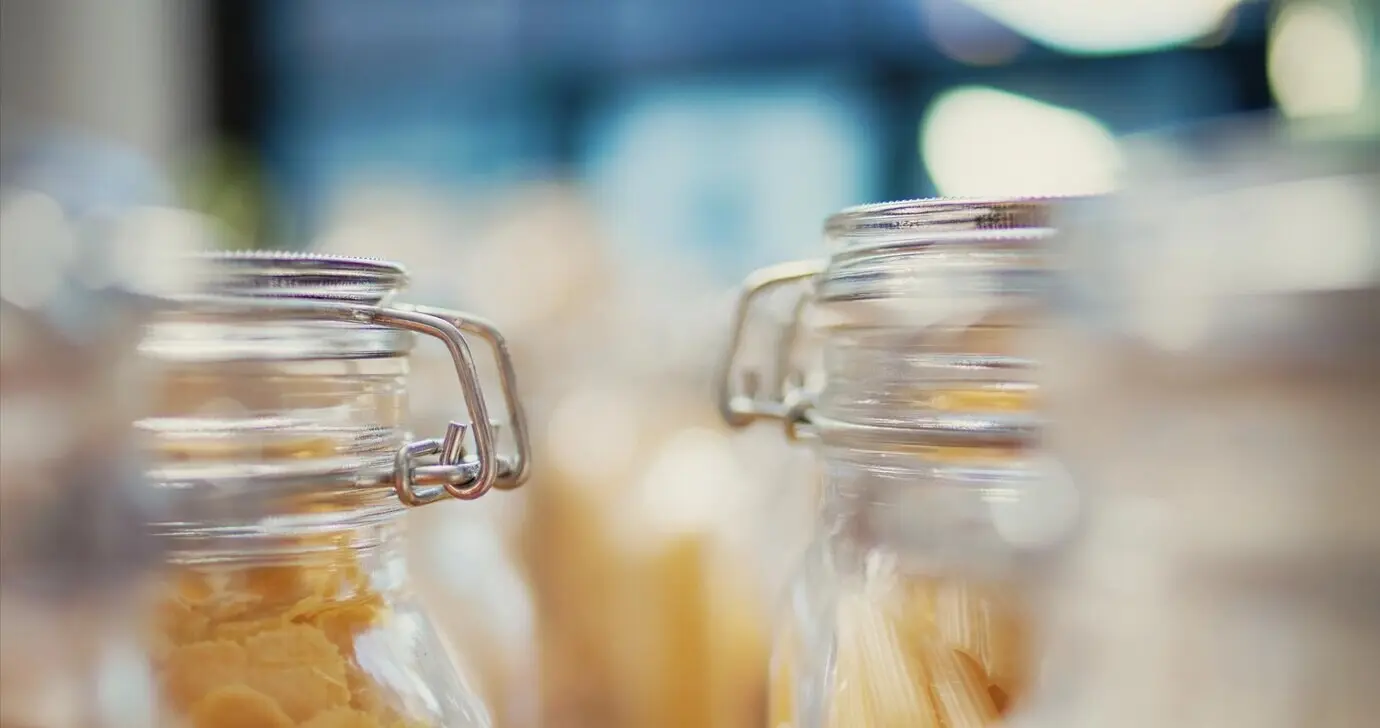
Safety sits at the core of responsible reuse. Food-contact rules, migration limits, and sanitation standards guide material choices and washing procedures. Certifications help households and retailers trust what they touch. Clear documentation, batch tracking, and honest labels keep promises visible, making greener choices feel not only admirable but dependable, consistent, and genuinely protective of people and planet.

A Family’s Weekly Refill Ritual

Every Saturday, two glass jars and a stainless bottle ride in a canvas tote to the local store. The kids scan QR codes, watch credits appear, and stick date labels. Back home, the refill station is a source of pride, not clutter. Small victories stack up, building identity around care and resourcefulness.

A Startup’s Pivot from Single-Use

Facing rising material costs and customer fatigue, a small brand redesigned bottles for ninety cycles, added washable sleeves, and launched door-to-door pickups. Breakage data informed thicker bases and gentler crate liners. Returns climbed, complaints fell, and word-of-mouth grew as customers celebrated sturdy containers that felt worth keeping in steady rotation.

A Municipality’s Library of Containers

A city piloted a lending program where residents borrow insulated bowls and jars like books. Automated lockers handle checkouts and returns, while a central wash hub ensures safety. Cafés joined, deposits stayed modest, and waste audits showed dramatic declines. Community pride soared, proving collaboration can turn reuse into a shared civic habit.

Build a Simple Refill Station

Choose a ventilated shelf near the sink, add a drip tray, and keep funnels, pumps, and spare gaskets within reach. Transparent bins separate clean and to-wash items. Clear signage helps guests participate. With everything visible and tidy, refilling becomes quick, satisfying, and almost automatic during everyday cooking, cleaning, and lunch packing.

Labeling That Lasts

Use wash-stable pens or engraved tags to mark contents and dates. Color bands can code categories, while QR stickers link to recipes or dilution ratios. Replace labels during routine deep cleans to keep information fresh and accurate. Durable, legible markings make safety effortless and keep your system running joyfully for months.

Join and Shape the Community

Share photos of your setup, ask questions, and subscribe for new guides and case studies. Comment with obstacles you face; your experience may unlock someone else’s breakthrough. Vote in polls that steer upcoming experiments. Together we can refine designs, grow return networks, and help reuse become a proud, lasting neighborhood norm.
Viferolekefo
Privacy Overview

This website uses cookies so that we can provide you with the best user experience possible. Cookie information is stored in your browser and performs functions such as recognising you when you return to our website and helping our team to understand which sections of the website you find most interesting and useful.