Refills or Bulk? The Smart Way to Stock Household Cleaners

Today we’re diving into comparing concentrate refills and bulk purchases for household cleaners, looking past shelf price to consider cost per use, plastic waste, transport emissions, storage realities, dilution accuracy, and daily convenience. Expect practical math, lived examples, and clear takeaways you can apply on your next store run or online order.

Total Cost Over Time

Environmental Footprint and Waste

Shipping water is expensive for your wallet and the planet. Concentrates reduce plastic, fuel burn, and warehouse space, while bulk can cut per-cap costs but still moves heavy liquid long distances. Understand recycling realities, refill station options, and how local sourcing flips the equation.

Storage, Space, and Household Logistics

Square footage and household rhythm dictate what truly fits. Concentrates tuck into drawers and travel well, while bulk jugs demand steady shelves and funnel discipline. Consider spill risk, childproof placement, secondary containment, and decanting rituals that keep cupboards tidy and routines pleasantly repeatable.

01

Tiny Apartment, Big Efficiency

A shoebox kitchen benefits from a single refill cartridge and collapsible measuring cup tucked beside the kettle. Label spray bottles by surface, log dilution on the cap, and avoid towering gallons that crowd food storage and invite accidental spills during late-night cleaning sprints.

02

Families, Pets, and Safer Stowage

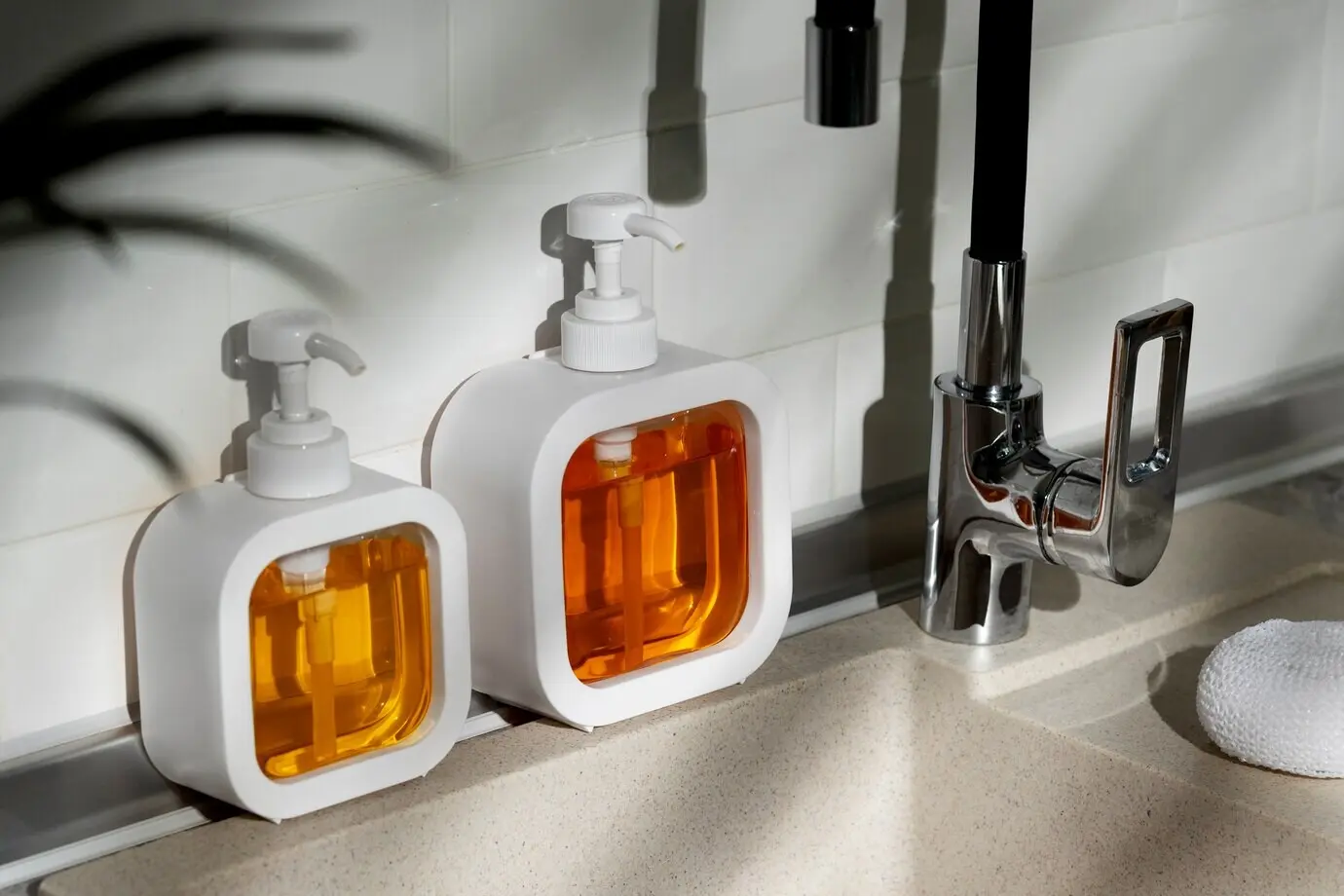
High-concentration liquids require locking cabinets or elevated shelves beyond curious hands and wagging tails. Use color-coded bottles, child-resistant closures, and QR codes linking to instructions. Bulk containers need secondary trays to capture drips, protecting floors while preventing slippery surprises during busy morning routines.

03

Shelf Life and Stability Myths

Many concentrates maintain potency longer than ready-to-use mixes because fewer inactive ingredients sit exposed to air. Bulk products risk stratification or cap damage over months. Check manufacturer dates, shake periodically, and document first-opened day to verify performance before committing to massive quantities.

Cleaning Performance and Dilution Accuracy

Results hinge on the right ratio, water quality, and contact time. Concentrates shine when measured properly; bulk can simplify consistency if formulas match your surfaces. Learn to calibrate by streaks, scent, and residue while respecting material-specific sensitivities across glass, stone, wood, and stainless.

Measuring Without a Lab

Use a kitchen scale or marked refill bottle to hit reliable ratios fast. If directions say 1:7, pre-mark your sprayer at the right fill line. Record successful mixes in your notes app so future batches recreate the same satisfying shine with less thinking.

Hard Water, Soft Results

Mineral-rich water can dull detergents and leave films, skewing your comparison. Filtered or distilled water lets concentrates perform as designed, and bulk formulas labeled for hard water help too. Experiment on small panels first, adjusting ratios before scaling across bathrooms and kitchens.

Convenience and Daily Routines

Simplicity sustains habits. Concentrate refills reward a five-minute mixing ritual every few weeks, while bulk purchases reduce shopping trips but require occasional heavy lifting. Design cues, checklists, and labeled bottles keep momentum high so counters sparkle even on hectic evenings.

Refill Rituals that Stick

Tie refilling to an existing habit, like brewing coffee on Sundays. Keep funnels, labels, and water filter nearby to eliminate friction. Share a calendar reminder with housemates so everyone knows when fresh bottles appear, preventing last-minute scrambles before guests arrive.

Bulk-Day Logistics

Plan a quarterly decanting session for big containers. Wear gloves, lay down a towel, and use a spout or pump to avoid mess. Clearly mark secondary bottles with dilution, date, and hazard icons so any helper can handle chores confidently and quickly.

Travel, Moves, and Emergencies

Concentrate refills shine when relocating or packing for extended stays, reducing weight and spill risk. For storms or disruptions, a small stock of high-yield concentrate and a few empty bottles provide weeks of cleaning capacity without occupying precious pantry space.

Safety and Compliance

Labeling that Protects Everyone

Include dilution, first-aid steps, and surface restrictions on each bottle. Use waterproof markers or printed stickers to survive splashes. Add contact details and batch codes if you share with roommates, making it easy to trace problems and adjust mixes without confusion or panic.

Mixing Safely Without Guesswork

Gloves, goggles, and ventilation transform a quick mix into a disciplined habit. Measure first, then add water, preventing splashes from concentrated acids or solvents. Keep baking soda or neutralizer nearby when appropriate, and never combine ammonia and bleach under any circumstance.

Disposal and Local Rules

Bulk leftovers and expired concentrates should not clog drains or landfills. Consult municipal guidance, take advantage of hazardous waste days, and avoid mixing unknowns. Photograph labels before tossing containers so you retain emergency information and product details for future purchases.
Real-Life Scenarios and Reader Stories

Numbers matter, but stories reveal friction points that budgets miss. We compare concentrate refills and bulk purchases through everyday routines, messes, and schedules, then invite you to share wins, failures, and hacks so this community builds cleaner homes with fewer regrets.
Viferolekefo
Privacy Overview

This website uses cookies so that we can provide you with the best user experience possible. Cookie information is stored in your browser and performs functions such as recognising you when you return to our website and helping our team to understand which sections of the website you find most interesting and useful.